strategy playbook
Building brands that stand for something
Whether I’m working with a heritage brand looking to reinvent itself or a startup launching into culture for the first time, this is the process I return to. It’s structured but flexible, grounded in research and intuition, strategy and storytelling. Each step builds toward helping brands find their edge, their people, and their place in the world.
Phase 1 - Research & discovery
Brand Audit
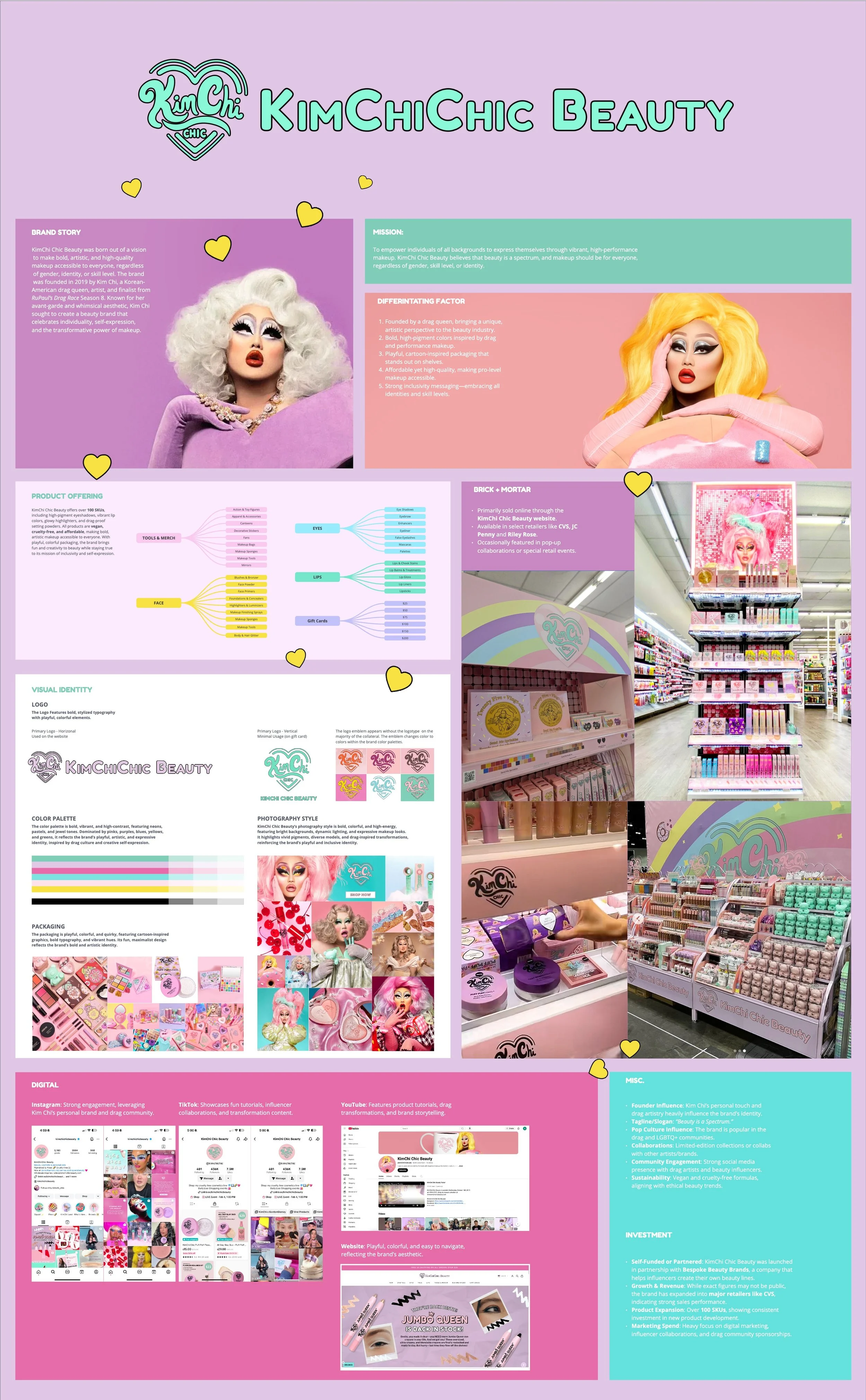
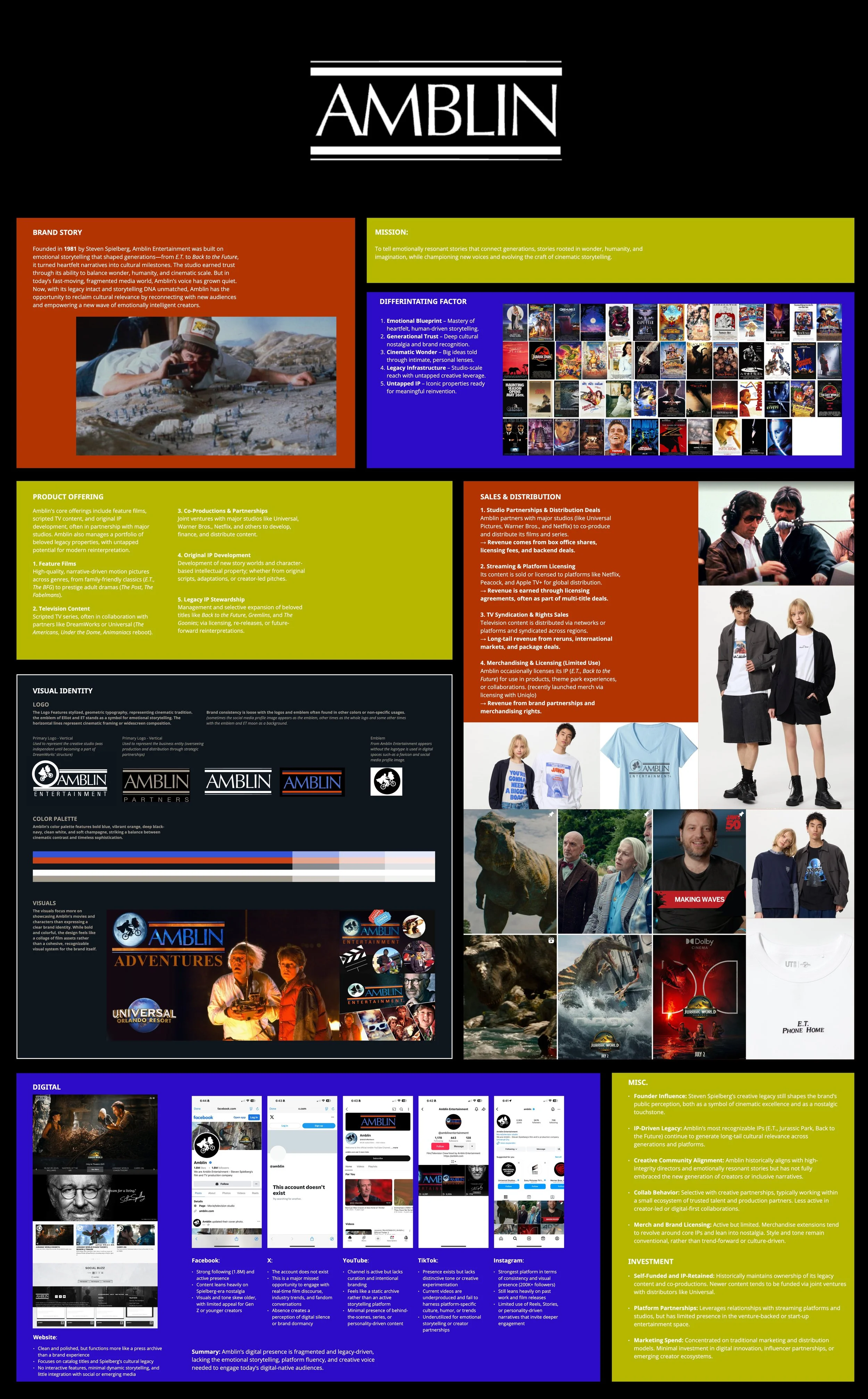
I start with what exists: the brand story, mission, values, tone of voice, visual identity, website, packaging, and social presence. Where do they sell? How? What’s the customer experience like, from online to retail to unboxing? What does the brand say it is vs. what it shows it is?
Business Model Mapping
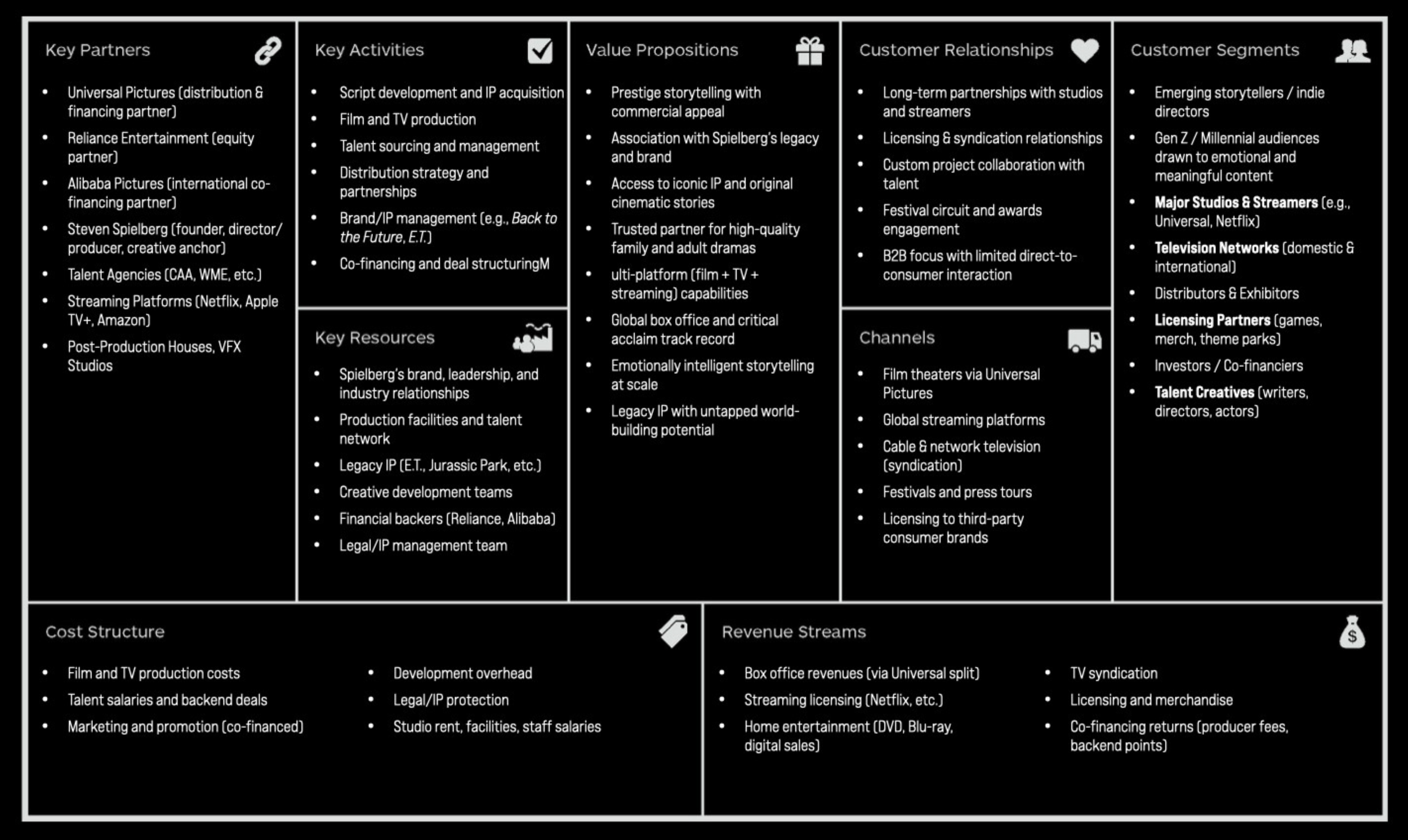
Using a business model canvas, I break down how the brand makes money, who its key partners are, and what resources, channels, and cost structures shape the business.
Internal Interviews (if applicable)
Founders, marketers, designers, customer service; I talk to the people behind the brand to understand what’s working, what’s broken, and what’s possible.
phase 2 - Contextual Analysis
Macro & Micro Trend Research
What cultural, technological, political, and environmental forces are shaping this industry? What are consumers craving? Avoiding? What’s shifting in values, behaviors, and aesthetics?

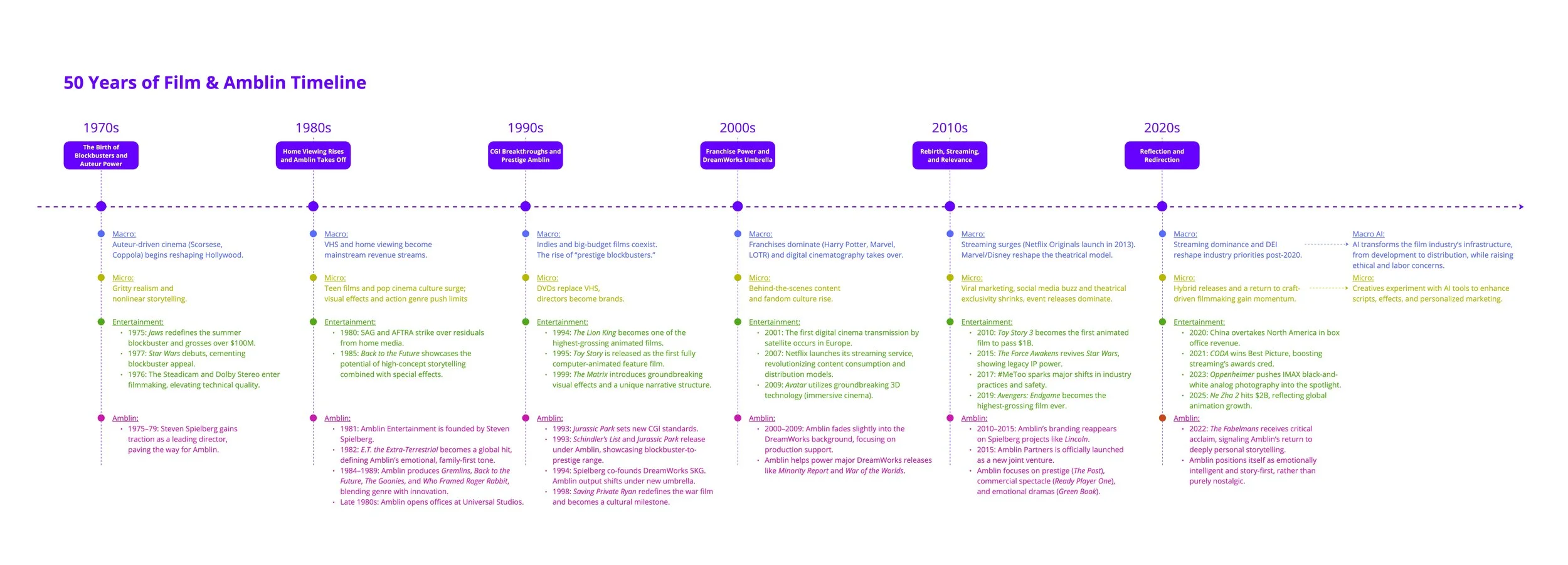
50-Year Industry Timeline
I plot how the industry evolved, and where the brand was (or wasn’t) throughout those shifts. This includes key moments, emergent competitors, and the rise/fall of relevant trends.
phase 3 - Competitive audit
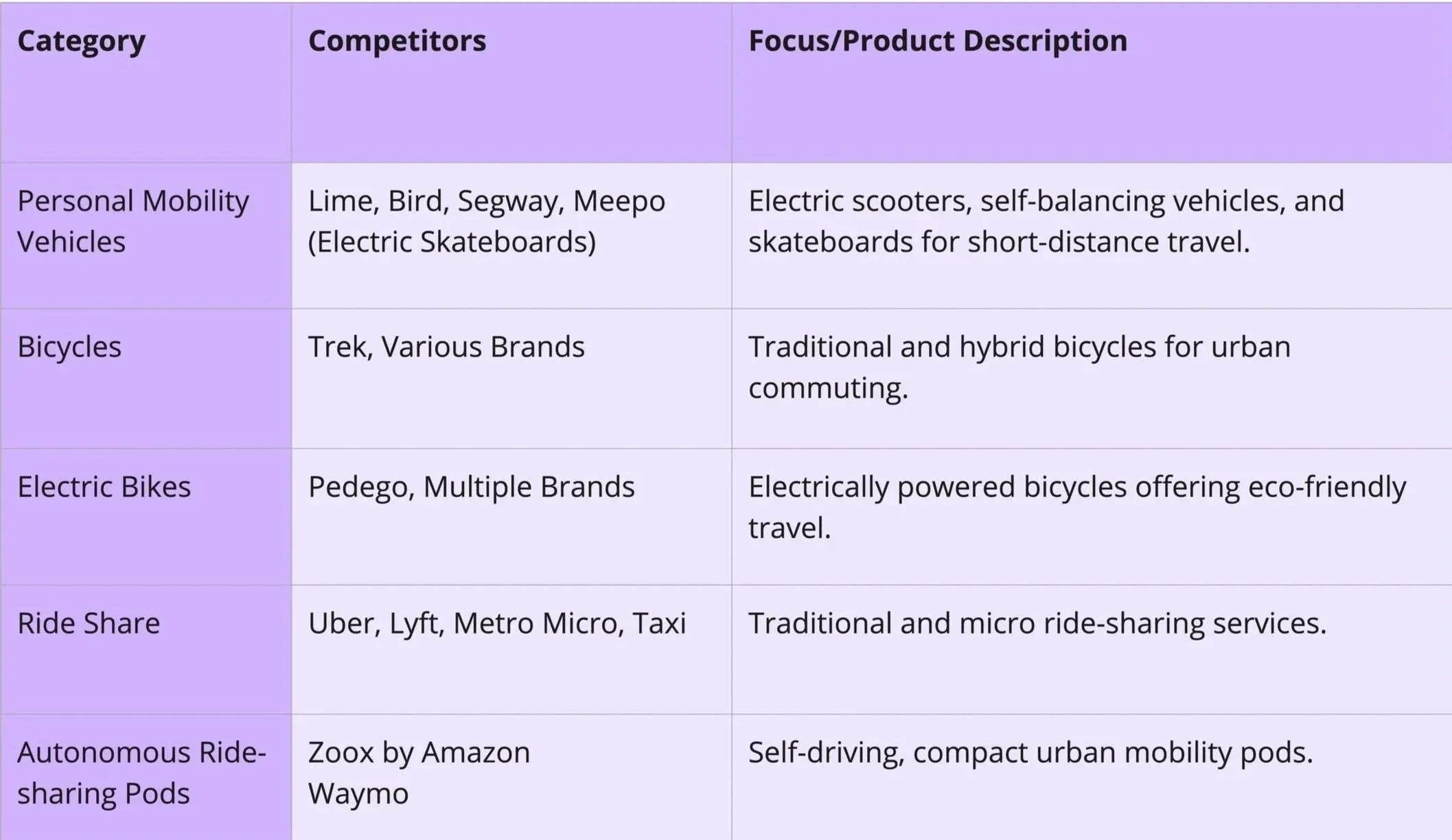
Mapping Direct & Indirect Competitors
I lay out the landscape, categorizing brands by relevance, reach, and market share.
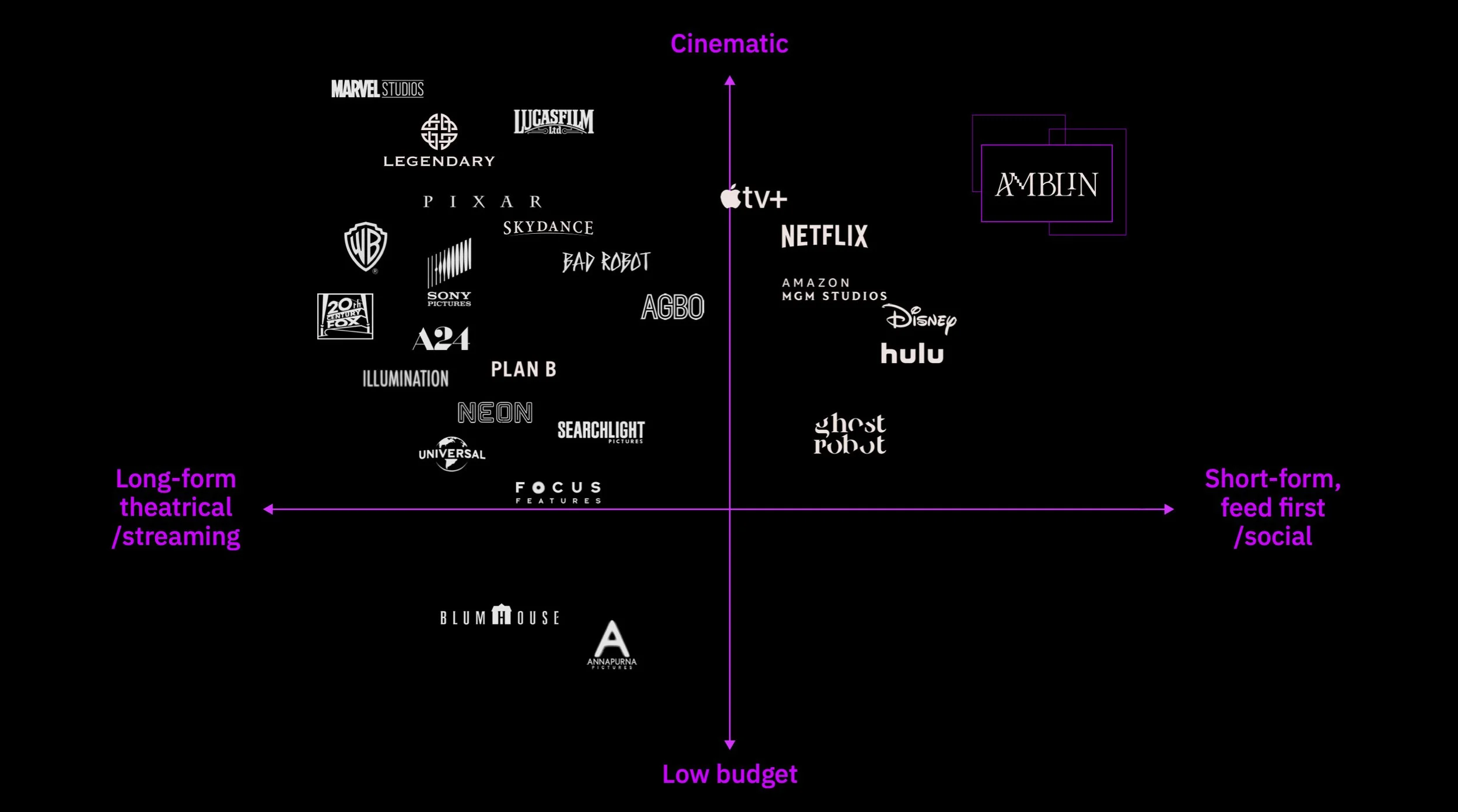
Positioning Matrix
I plot competitors across key attributes to see where the brand sits and where the white space is. At a glance, it shows how we can shift to stand apart.
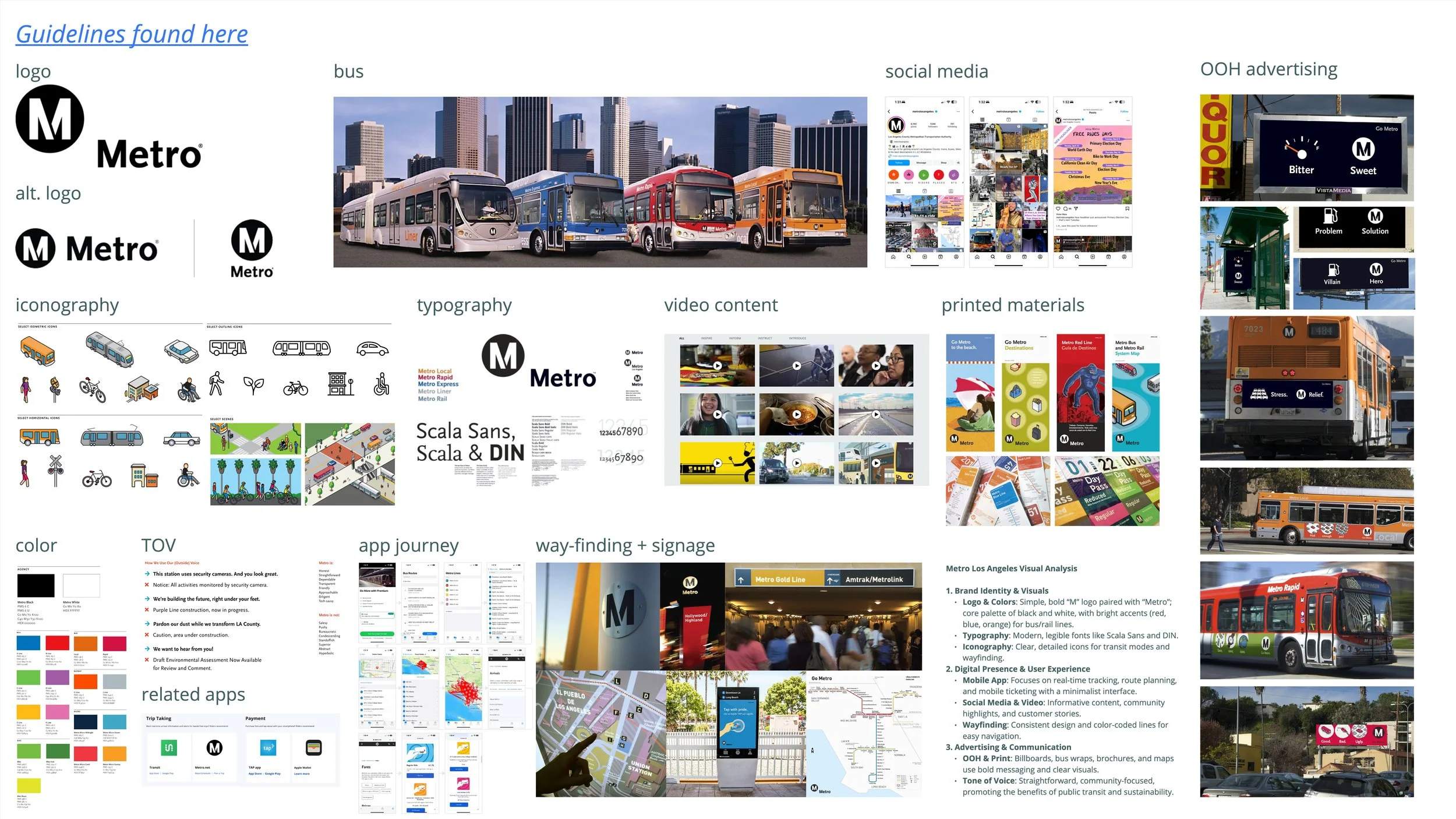
Visual Identity Audit
I line up competitors’ logos, color systems, packaging, and digital presence to see who’s blending in and who’s breaking through. Identifying where the brand can stand out.
Chessboard Framework
This is where I get tactical. I map the brand’s current moves against competitors to spot gaps, white space, and overlooked narratives the brand could own.

phase 4 - Cultural insights & human motivators
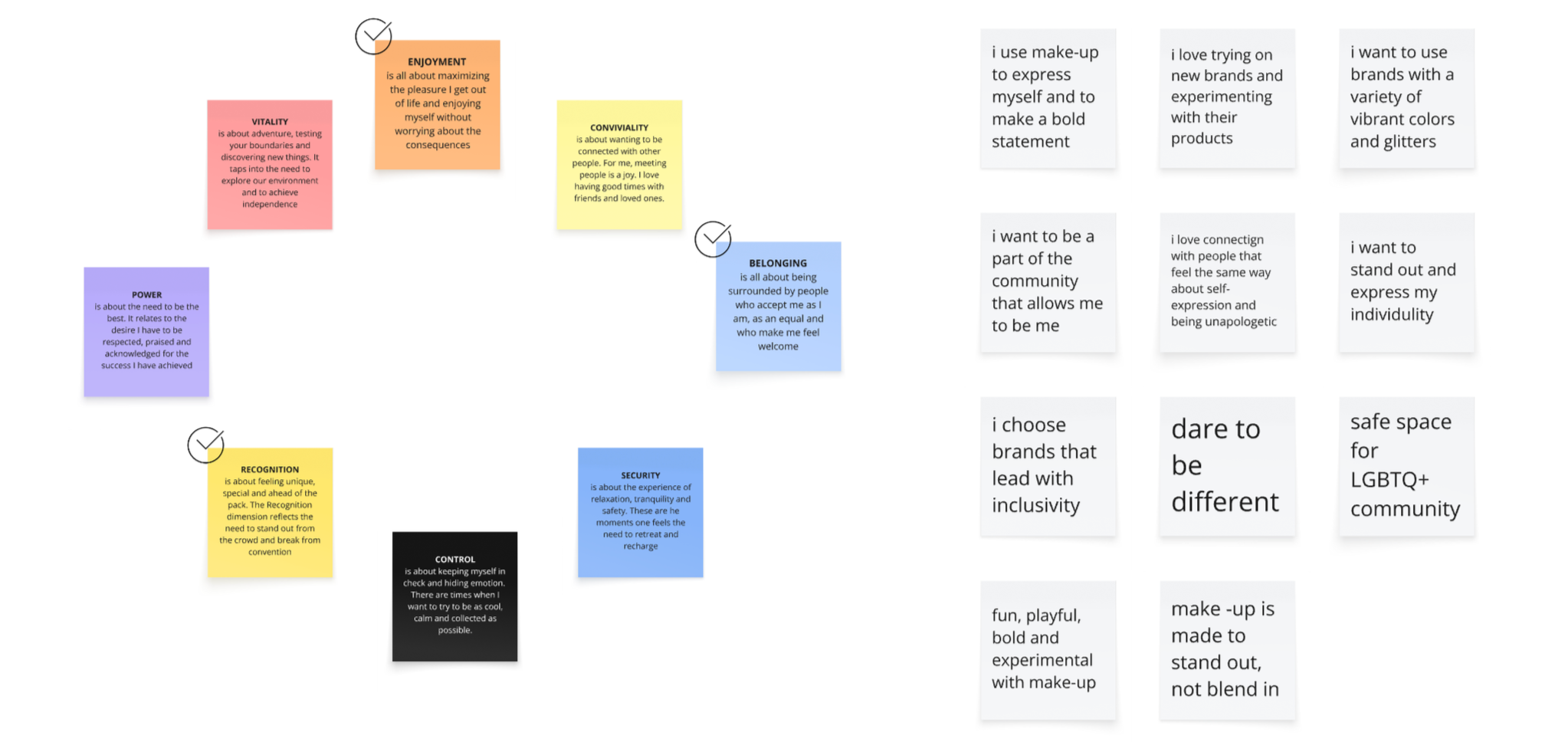
Human Motivators & Tensions
I identify what’s driving consumer behavior in this space: status, belonging, escapism, control, pleasure, etc. I layer in current cultural tensions and contradictions that brands can respond to or resolve.
Subculture & Behavior Mapping
From niche communities to emerging movements, I map the subcultures most aligned with a brand’s value, then dig into how they actually behave. What do they care about? Where do they shop? What content do they consume? This blend of culture and behavior shows us how to speak with audiences, not at them.

Interviews & Design Target
Based on the identified subcultures and behaviors, I conduct qualitative interviews to gather deeper insights straight from the source.

phase 5 - Strategy development
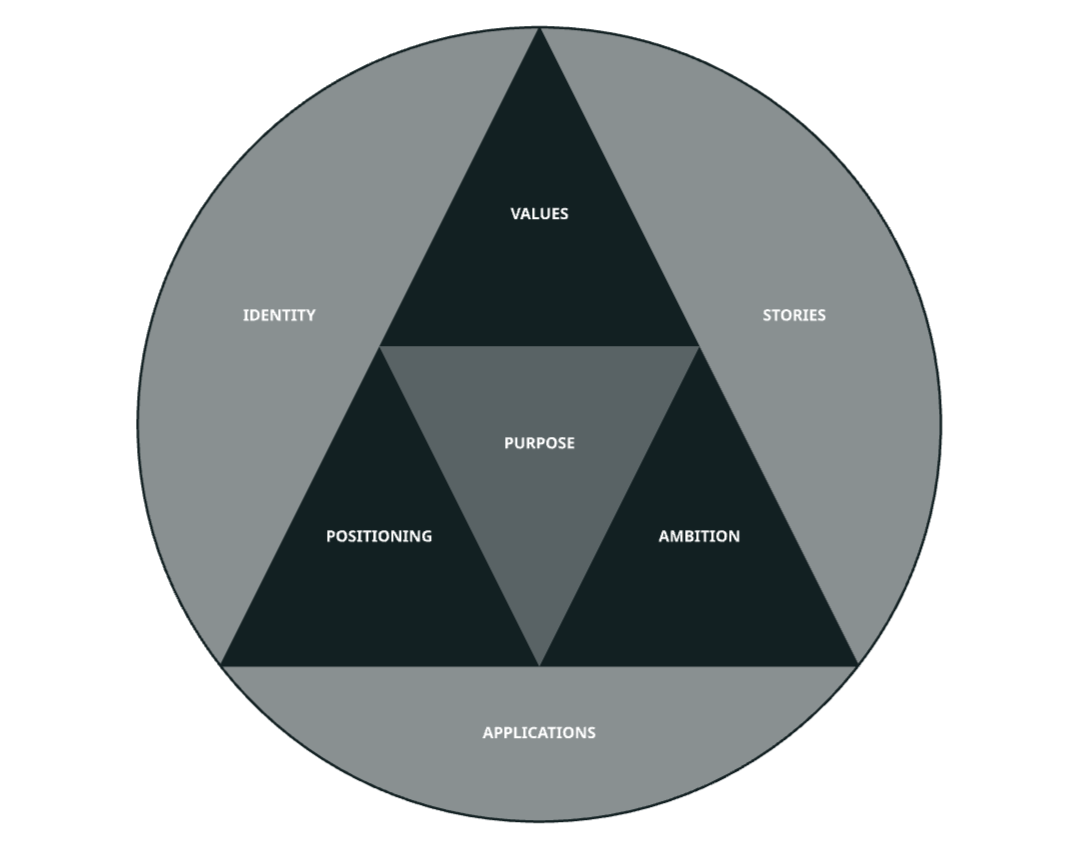
Brand Values
I always start here. A brand’s values are its true north star, the beliefs that guide decisions, actions, and culture.
Brand Positioning
A sharp articulation of what the brand stands for, who it’s for and what makes it radically different.
Ambition
The long-term vision.
Brand Purpose
The brand’s “why.” What is it here to change?
Tone of Voice
I translate the brand’s values into language, personality and core messaging principles.
phase 6 - Expression and application
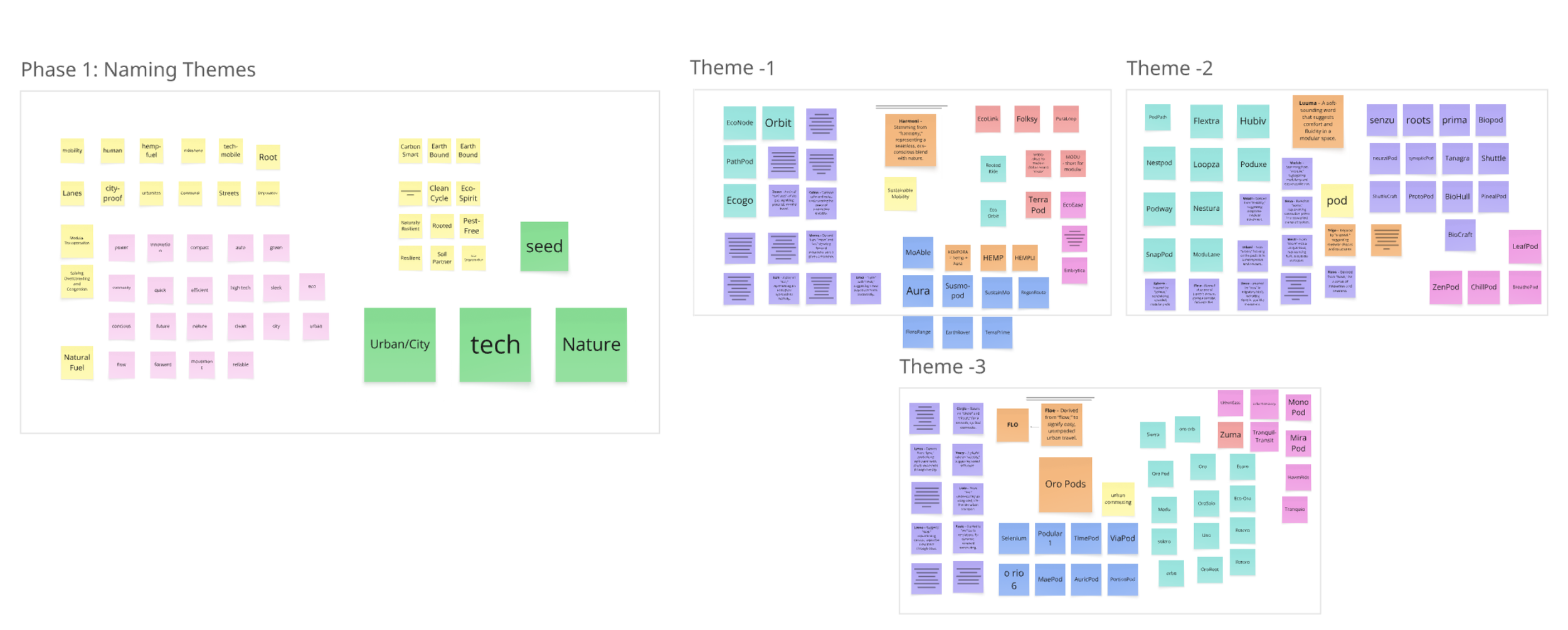
Naming & Tagline Development
Language that distills the brand’s soul in a few powerful words.
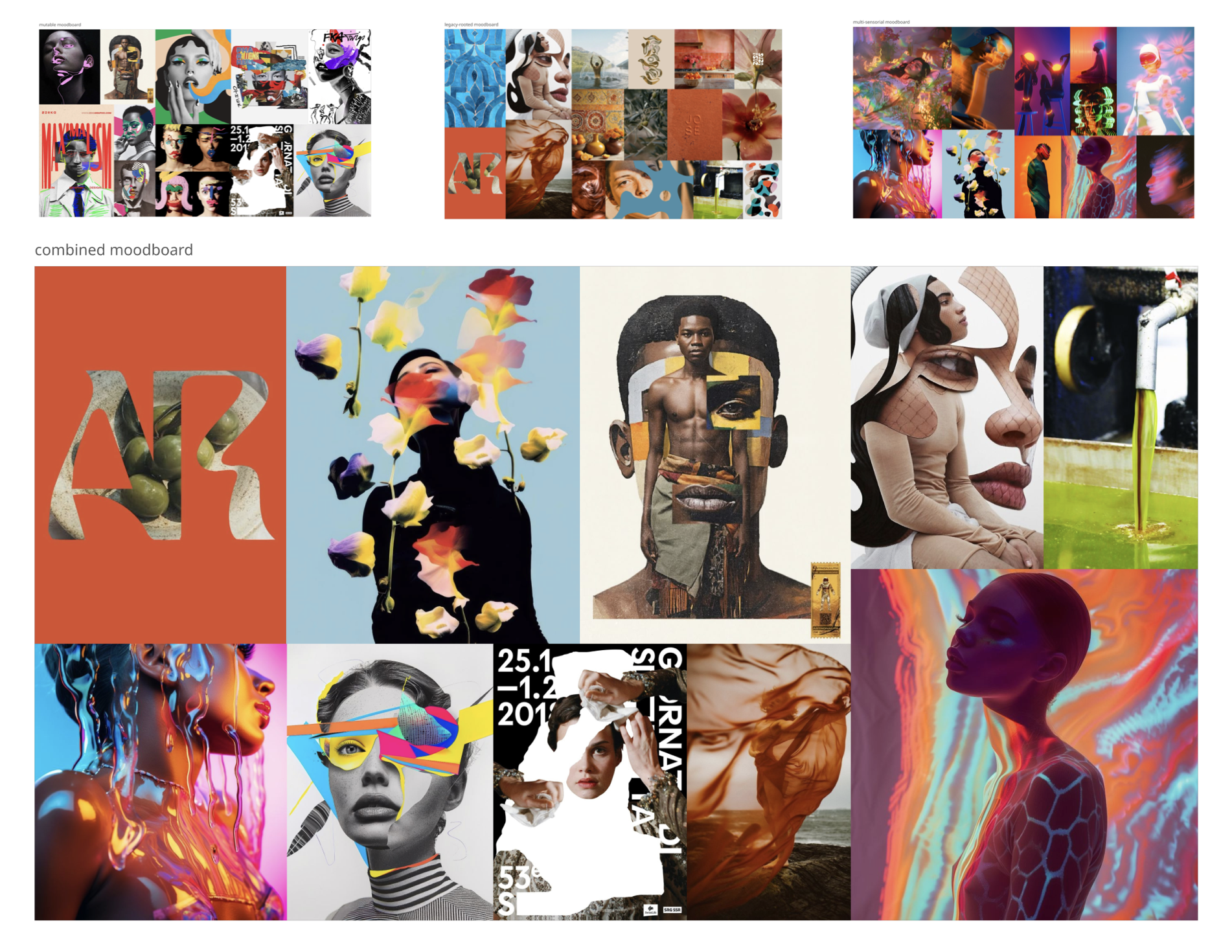
Visual Identity Briefing
Colors, typography, art direction, and design systems based on strategy, not just aesthetics.
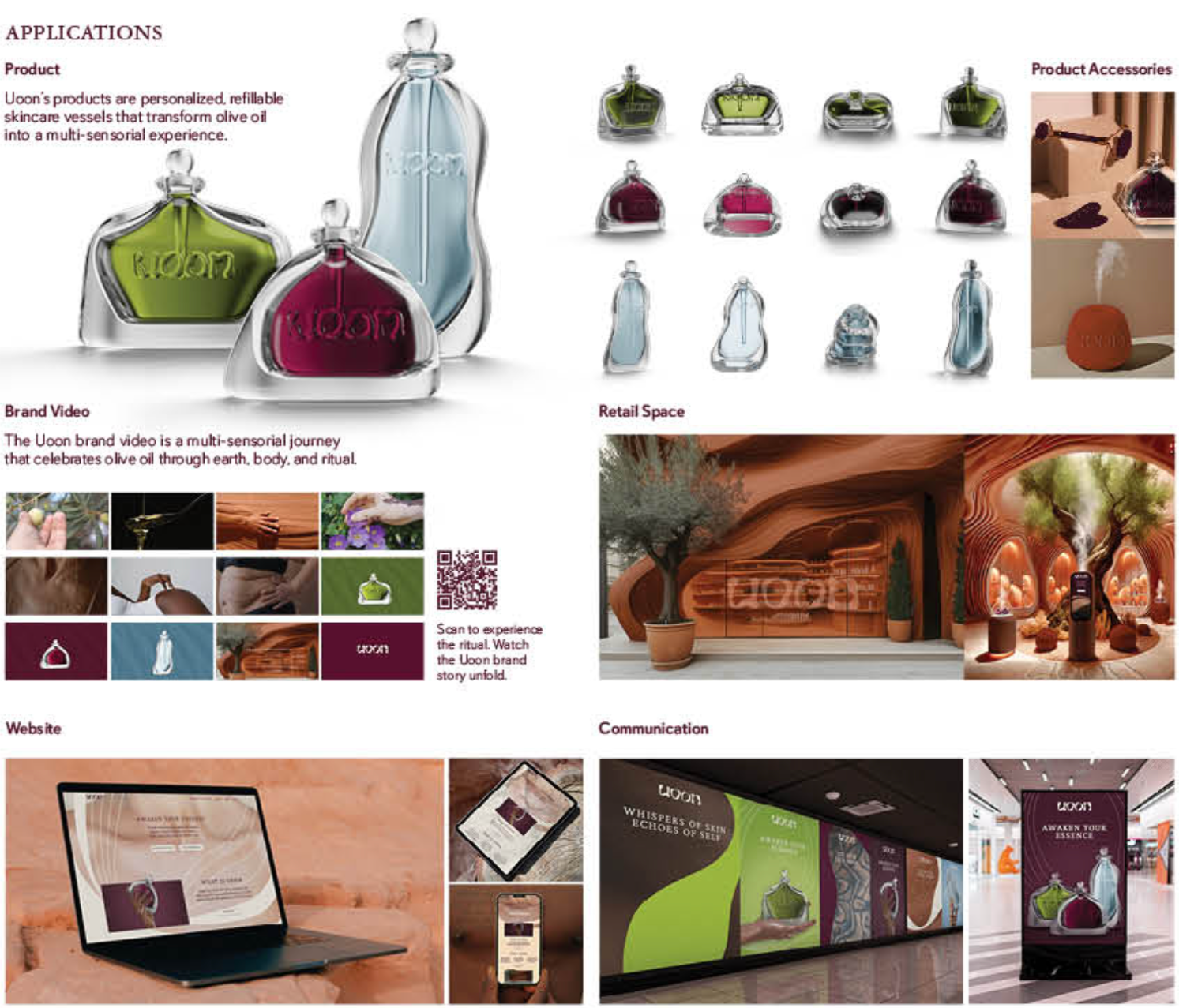
Key Brand Touchpoints
From packaging to digital to merch to spatial, identifying where the brand shows up and how to create consistency without losing personality.
Creative Collaborator Handoff
When needed, I collaborate with designers, writers and producers to turn the strategy into something real. Beautiful. Impactful.