
The Dark Edges Uprising
The cultural correction: why messy is winning and what your brand needs to do about it
By Nadia Khabbaz, Brand Strategist & Creative Director
Published Apr. 22, 2026
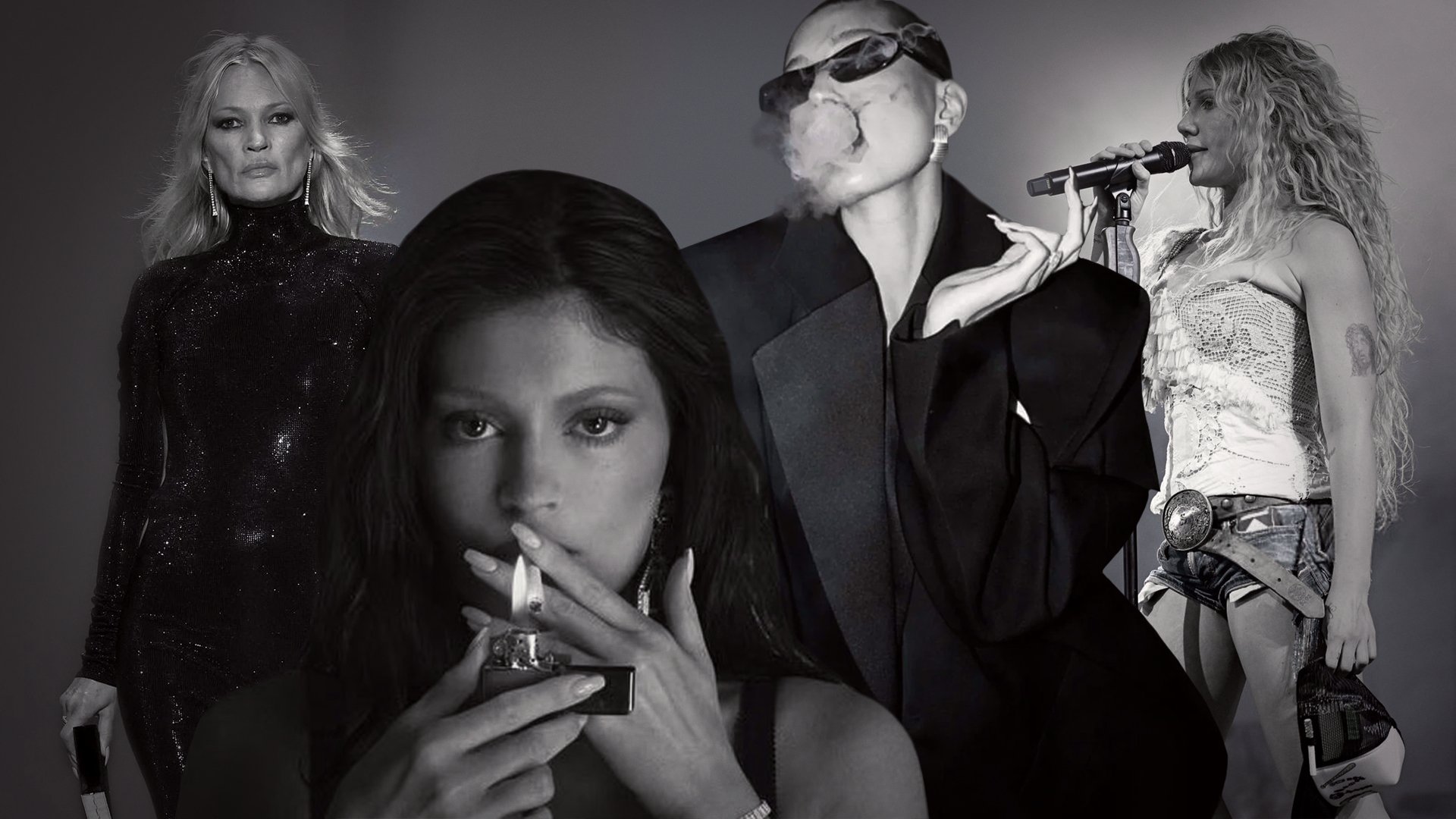
Something is shifting and I don't think it's subtle anymore.
The dominant visual and cultural language of the last few years, clean, curated, intentional, softly lit, optimized, is getting elbowed out by something darker. Messier. Less apologetic.
Heavy eye makeup that isn't polished. Hair that isn't styled to look undone, it just is undone. A cigarette in frame. A set that looks like a basement show, not a festival main stage. An album called WOR$T GIRL IN AMERICA.
And people are running toward it.
This isn't about aesthetics for aesthetics' sake. This is a cultural signal, and it has everything to do with where audiences are right now. What they're tired of, what they're craving and who they're choosing to give their attention to. Brands that understand it will move. Brands that don't will keep wondering why their "authentic" content isn't landing.
What's actually happening in culture
Coachella 2026 gave us one of the clearest data points.
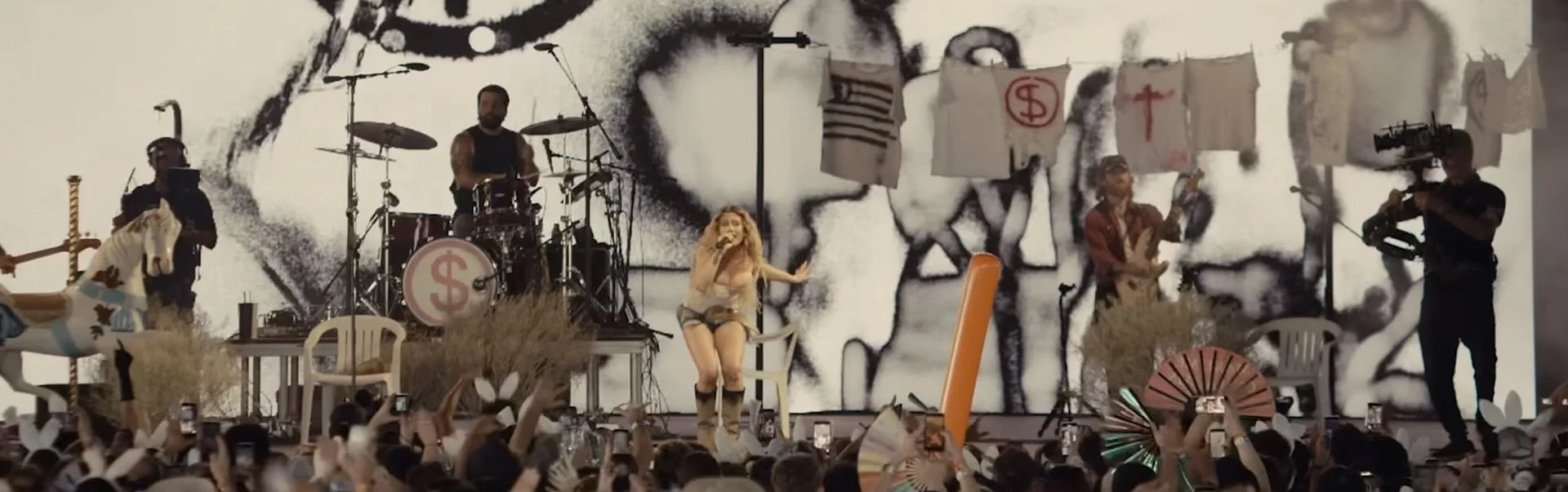
Slayyyter performed at 3pm, scorching heat, no budget, in an outfit she made herself. She exceeded maximum capacity at the Mojave Stage. The crowd photos went viral and the comments were not talking about production value. They were saying they hadn't felt that kind of energy in years. That it felt real.
That's the word doing all the work right now. Real.
And the signals are everywhere once you start looking. Gucci's Fall 2026 runway closed with Kate Moss in all-black with deliberately smudged eyes. The message wasn't subtle: feralness is back, it brought its eyeliner and it closed the whole show. Then there's the cigarette quietly re-entering the frame as an aesthetic prop. Kylie Jenner on the cover of Vanity Fair. Hailey Bieber's latest editorial for Interview Magazine. Basically saying that the visual shorthand for "I'm a little ungovernable" is back, and brands are absolutely taking notes.
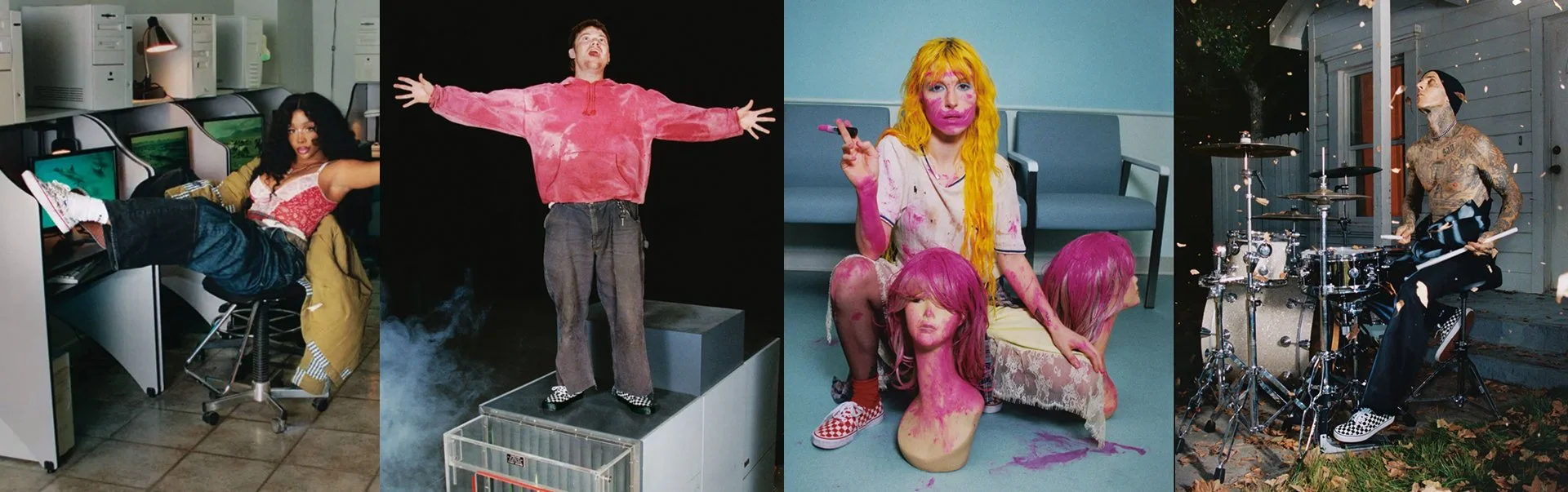
Speaking of brands taking notes: Vans just launched their biggest campaign in years for the 60th anniversary of the Authentic, starring SZA, Hayley Williams, Travis Barker and Turnstile's Franz Lyons. Shot lived-in, not glossy, feels like it belongs in a pit rather than a lookbook. A legacy brand essentially saying: the culture we were built in is having its moment again and we are not going to miss it. That's a cultural read executed correctly.
Charli XCX called all of this before the rest of culture caught up. The brat rollout wasn't just a great album campaign. It was a precise cultural diagnosis. The messy, deliberately unpolished aesthetic was a direct counter-strike against the clean girl era. Within weeks, millions of Instagram posts carried the hashtag. A political campaign adopted the color. The album title became word of the year. When Charli accepted an award she said it plainly: "the pendulum of culture has swung in favor of messiness, personality and the niche."
That pendulum hasn't swung back.
And on the brand side, the 2026 design landscape is fully in it. What's being called "Analog Anarchy"... ripped edges, grunge textures, hand-cut collage aesthetics, chaotic layouts... is one of the defining branding moves of the year. And it's only getting louder.
Why now
Here's the strategic read.
Performed perfection ran out of credibility. Social feeds are saturated with content that is technically perfect and completely hollow. Audiences have watched brands perform authenticity so hard for so long that they can see the strings. (Some brands have a whole team of people whose job is to make things look unplanned. We see you.) The clean girl era worked when it was still aspirational. Now it just looks like another thing being sold to you in a linen set. The grungy, unapologetic posture is the backlash. It doesn't ask for approval. That refusal is the point.
The world is uncertain and soft aesthetics feel dishonest. When things feel unstable, pastel gradients and morning routine content start to look like a lie being told in a beautiful font. The darker, rawer aesthetic feels more honest to the actual texture of how people are experiencing right now. Culture has always found its visual language for the times. Grunge didn't come from a mood board. It came from a mood.
Being real is now the rarest thing on the feed. Raw, imperfect, human-coded creative is functioning as a differentiator in a way it hasn't had to before. Turns out "has a pulse" is now a competitive advantage.
What the data says
Instagram's own CEO flagged in early 2026 that the platform is explicitly shifting focus toward authenticity over polish this year. Audiences are scrolling past glossy brand content faster than ever and stopping for raw moments.
Concept 4's macro trend report for 2026 named this explicitly, calling it "Dark Edges" and tracking it as a youth-led rebellion against economic pressure, perfectionism and cultural overload. TikTok hashtags like #90sGrunge and #GrungeAesthetic surged year-over-year. This isn't fringe. It's becoming the center.
What this means if you build brands
Audit your clean aesthetic. If your brand has been living in soft minimalism and wellness-adjacent visual language for the last five years, ask honestly: does this still read as premium, or does it read as safe? Generic? Brands without a strong enough identity to actually say something are the ones looking the most lost right now.
Unapologetic is the new aspirational. The reason this aesthetic is resonating is the same reason Liquid Death works, the same reason brat worked. People want to follow something that's sure of itself. The dark edge posture doesn't ask the audience to aspire toward it. It just is what it is, and dares you to feel something. In an uncertain moment, certainty is magnetic.
You can't wear this without earning it. This is the trap. Dropping the saturation and adding grain to your content is not a strategy. The brands landing this aesthetic are the ones with an actual underlying conviction: I'm not trying to be everything to everyone. I have a point of view. I'm a little difficult. And I'm confident enough in what I am to let that be true. Without that, it's a costume. Audiences will clock it immediately, post about it and the ratio will not be in your favor.
Give people something to play with. The brat lesson isn't about the neon green. It's about the fact that the campaign was designed to be co-created. The community took over and built something bigger than any media buy could have. The brands building this way, with their audience rather than at them, are generating the kind of engagement that can't be bought. Ironic that the most "messy" campaign of 2024 was also one of the most strategically disciplined.
Closing thought
The clean girl era worked until it didn't. Wellness minimalism worked until it started to feel like a product being sold to you under the guise of a lifestyle.
What we're in now is the correction. Audiences are recalibrating toward things that feel honest, unmanaged, certain about what they are. The refusal to perform is the whole point. And the dark edges are the response.
Corrections are uncomfortable. They're supposed to be. The brands that sit with the discomfort long enough to actually understand it are the ones that come out the other side with something real. The ones that slap a grunge filter on their content and call it a strategy will be fine. Just kidding. They won't.
Disclaimer: All images featured in this article are used for visual reference only. I do not claim ownership of any image rights. All cultural references in this article are used for analytical and critical commentary purposes only.